



Understanding mileage limits is crucial for anyone considering a Buick or GMC lease. These limits significantly influence monthly payments, lease-end costs, and potential overage fees. At Williams Buick GMC, it's important to recognize how careful mileage planning can help avoid unexpected charges, especially for those weighing the benefits of lower-mileage versus higher-mileage leases. This guide will clarify how mileage limits operate, the implications of overage charges, and the options available should driving needs change throughout the lease term.
Why Do Buick, GMC Leases Have Mileage Limits?
Mileage limits are essential for accurately estimating a vehicle's future value at the end of a lease. Higher mileage typically leads to increased wear and tear, which can significantly lower the vehicle's residual value. This is why mileage allowances are factored into the overall structure of lease payments, ensuring both lenders and lessees have a clear understanding of potential depreciation.
Additionally, establishing a mileage cap creates more predictable lease costs, especially for drivers with consistent driving patterns. By setting these limits, leasing programs help you plan your budget effectively. Various annual mileage tiers are available through Buick, GMC finance resources, so it's important to review the lease terms carefully to find a plan that suits your driving needs.
How Mileage Limits Can Affect Your Lease Payment
When leasing a vehicle, the mileage limit plays a significant role in determining your monthly payment. This influence primarily stems from depreciation, which is the difference between the car's initial value and its expected residual value at the end of the lease. A lower mileage allowance may contribute to a higher residual value, potentially leading to lower depreciation costs, while a higher mileage allowance can increase depreciation, thus raising your payments.
For drivers considering a lease, this means that two otherwise similar leasing options might have varying payments based on their mileage allowances. Selecting the appropriate mileage package from the outset is crucial to avoid paying for miles you won't use or incurring overage fees later. Resources like Kelley Blue Book can provide valuable insights into vehicle values, aiding your decision-making process when evaluating lease offers.
How Can Drivers Estimate Their Lease Mileage Needs?

Estimating your mileage needs accurately is essential for choosing the right lease plan. For Charlotte drivers, start by assessing your everyday driving habits and then build in some flexibility for those occasional longer trips or unexpected changes in your schedule.
Here's a straightforward method to gauge your annual mileage:
Daily Commute: Begin with the round-trip distance to your workplace, then multiply that by the number of days you work each year. This gives you a solid baseline for your weekday travel.
Regular Errands: Factor in your weekly commitments, such as grocery shopping, doctor visits, school runs, and any other routine activities that require driving.
Occasional Longer Trips: Think about the longer trips you might take throughout the year-family gatherings, vacations, or weekend getaways that, while infrequent, can significantly add to your overall mileage.
Choosing a low-mileage lease could be beneficial for those with predictable driving patterns, while those with frequent longer commutes or travels might find a higher mileage plan more suitable. The key is to plan honestly upfront to avoid any surprises or excess mileage charges when the lease ends.
What Happens if I Exceed My Lease's Mileage Limit?
Exceeding your lease's mileage limit can result in significant fees at the end of your lease. Typically calculated on a per-mile basis, these charges can quickly add up, particularly if you exceed your mileage allowance by a large margin. Planning ahead is essential to avoid unexpected costs when your lease term concludes.
Example overage calculation:
Excess miles: 3,000 miles
Example per-mile fee: $0.20
Estimated lease-end charge: $600
This scenario illustrates the importance of careful mileage planning prior to signing a lease. Consulting resources like Consumer Reports can provide valuable insights into managing your overall vehicle expenses. Always refer to your lease agreement to understand the specific fees that may apply.
Can I Add Miles to My Lease Midway Through?
Whether you can add miles to your lease during the contract period largely hinges on the specific terms of your lease agreement. Some Buick and GMC lease programs may not permit mid-lease mileage purchases, which means it's crucial to review your lease document or consult your leasing provider for clarification.
If adding miles isn't an option, consider proactive alternatives. You might want to assess the mileage limits and plan for any potential lease-end charges. Exploring a lease buyout could be advantageous if your driving needs have changed significantly, or you may discuss an early trade-in if you're nearing your mileage cap. Additionally, inquire about pull-ahead programs or loyalty incentives, as these could offer more flexibility. Addressing these concerns sooner rather than later can help avoid unexpected fees at the end of your lease.
What Are Your Options When Approaching or Exceeding Your Lease Mileage Limit?

As you near or surpass your lease mileage limit, it's important to understand the various options available beyond simply paying overage fees. The best route for you will depend on factors such as the vehicle's current value, the buyout price stated in your lease, the remaining duration of your lease, and any specific conditions set by your lender or leasing program.
Consider Buying the Leased Vehicle: If the vehicle continues to meet your needs, purchasing it at the lease-end price can eliminate mileage concerns since you won't be bound by the original mileage restrictions anymore.
Investigate Early Trade-In or Pull-Ahead Programs: Certain leasing programs may offer opportunities for an early trade-in or transition to a new vehicle under pull-ahead initiatives, but eligibility and terms can differ significantly. Always verify any claims regarding waived mileage fees in writing before making plans based on them.
Evaluate Trade-In Value Against Buyout Amount: If the market value of your leased vehicle exceeds its buyout price, you might have positive equity that could influence your next decision. Since market values fluctuate, tools like Edmunds are valuable for getting up-to-date estimates on your vehicle's worth prior to proceeding.
Opt to Pay Overage Fees: If the extra mileage charge is manageable and neither buying nor trading the vehicle makes sense financially, simply paying the overage fees may be the most straightforward choice.
Frequently Asked Questions (FAQs)
What are the costs associated with add-ons and warranties?
The costs for add-ons and warranties can vary based on the specific options selected and the vehicle model. Williams Buick GMC provides detailed information on all available add-ons and warranties, helping customers understand the associated costs before making a decision.
Can I get a written explanation of the warranty and add-on options?
Yes, Williams Buick GMC offers written documentation that outlines the warranty and add-on options available for each vehicle. This ensures clarity and helps customers make informed choices regarding their vehicle protection plans.
What should I expect regarding follow-up communication after my purchase?
After a purchase, customers can expect timely follow-up communication from Williams Buick GMC. This may include reminders for service appointments, updates on vehicle maintenance, and information about any relevant promotions or offers.
How does Williams Buick GMC handle service appointments and follow-ups?
Williams Buick GMC facilitates service appointments by providing an easy scheduling process, ensuring that customers receive timely reminders and follow-ups for their service needs. This commitment aims to enhance the overall customer experience and vehicle maintenance.
What community initiatives does Williams Buick GMC support?
Williams Buick GMC actively supports local community initiatives, including partnerships with organizations like the Charlotte Rescue Mission. This involvement demonstrates a commitment to enriching the community and enhancing the lives of residents in the area.
What awards has Williams Buick GMC earned for its service?
Williams Buick GMC has received numerous accolades, including the Buick Dealer of the Year and GMC Dealer of the Year awards. These recognitions reflect the dealership's dedication to excellence and customer satisfaction throughout its history.
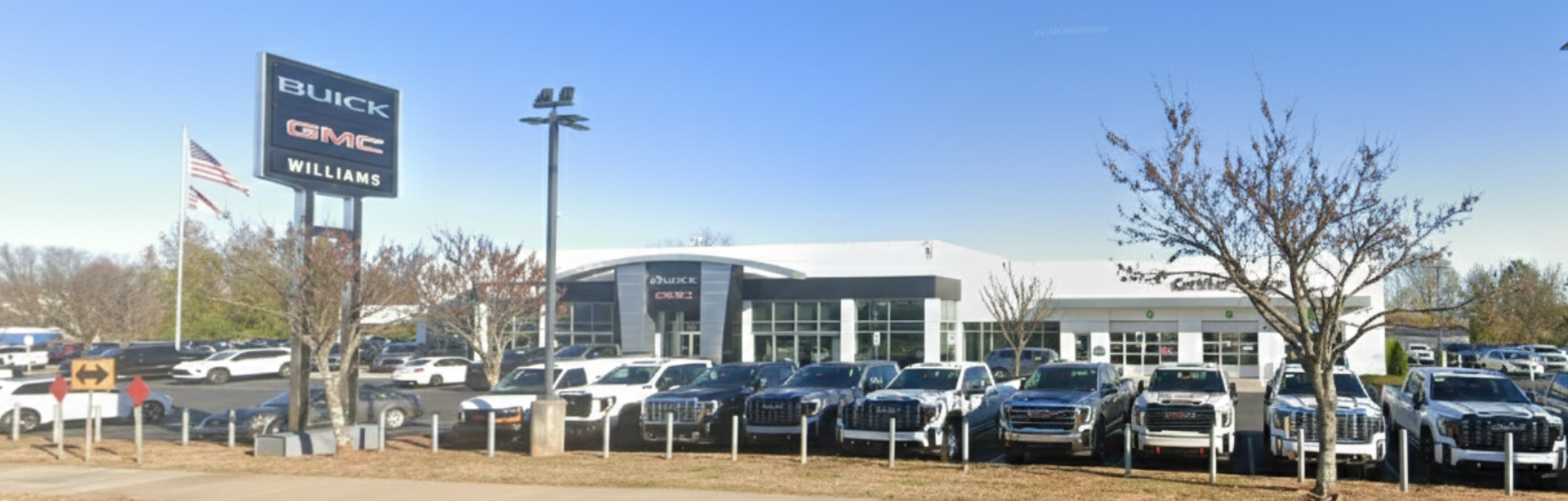
About Williams Buick GMC
Williams Buick GMC has proudly served as Charlotte's premier automotive destination since 1937, providing over 80 years of family-owned expertise to drivers throughout the Carolinas and neighboring Fort Mill. As the number one volume Buick GMC dealer in North Carolina, we have earned prestigious accolades including the Buick Dealer of the Year and GMC Dealer of the Year awards for our commitment to excellence. Our deep-rooted authority is built on more than just sales; we are an integral part of the local community, actively supporting initiatives like the Charlotte Rescue Mission to strengthen the area we call home. We bolster our technical credibility by offering a signature 10-year/100,000-mile warranty on new vehicles, ensuring our customers receive the same professional-grade reliability that has defined our legacy for generations. Whether you are visiting from Matthews or Rock Hill, you can trust our award-winning team to deliver the transparent, expert-led experience that only eight decades of specialized experience can provide.Related Articles:
The Ultimate Guide to Finding the Best GMC and Buick Dealer in Charlotte, NC